


Introduction: What Is a Tile Cleaner?
A tile cleaner is a chemical or natural cleaning solution designed to remove dirt, grime, grease, soap scum, and mineral deposits from tile surfaces. Tile is commonly used in bathrooms, kitchens, laundry rooms, pool areas, and commercial buildings due to its durability — but it still requires proper maintenance to stay clean and sanitary.
Tile cleaners come in many forms, including:
- Sprays
- Concentrates
- Powders
- Gels
- Natural formulas
Their effectiveness depends on tile type, surface contamination, and cleaning frequency.
Why Tile Requires Specialized Cleaning Products
Unlike carpets or wood floors, tile faces unique contaminants:
✔ Hard water stains
✔ Soap scum
✔ Mold and mildew
✔ Grease and cooking oils
✔ Dirt and grit from shoes
✔ Chemical residue
Standard cleaning products may not penetrate these deposits, especially in bathrooms and kitchens. That’s why choosing the right tile cleaner matters — both for cleanliness and long-term surface preservation.
Types of Tile Cleaners
Not all tile cleaners are created equal. Here are the main categories:
1 Neutral pH Cleaners
- Gentle, safe for daily use
- Good for stone tile and sealed surfaces
- Won’t damage finishes or sealers
Commonly used on:
- Marble
- Slate
- Travertine
- Ceramic
- Porcelain
2 Acidic Tile Cleaners
Used to remove:
- Hard water stains
- Mineral deposits
- Rust
- Soap scum
Common acids:
- Sulfamic acid
- Phosphoric acid
- Citric acid (natural alternative)
Not safe for marble or limestone because they can etch stone.
3 Alkaline Tile Cleaners
Used to break down:
- Grease
- Oils
- Organic stains
- Food spills
Often used in kitchens and restaurants.
4 Grout-Specific Tile Cleaners
Formulated to penetrate porous grout lines.
May include oxidizers to lift stains.
5 Steam Cleaners (Chemical-Free)
Use superheated vapor to remove:
- Mold
- Soap scum
- Mineral buildup
Ideal for bathrooms and allergy-sensitive homes.
6 Natural Tile Cleaners
Use ingredients like:
- Vinegar (except on stone)
- Lemon
- Baking soda
- Castile soap
Eco-conscious and family-safe but not always as powerful as commercial options.
Tile Materials & Cleaner Compatibility
Different tiles respond differently to chemicals. Here’s a quick compatibility chart:
| Tile Type | Safe Cleaners | Avoid |
| Ceramic | Neutral, alkaline, acidic | — |
| Porcelain | Neutral, alkaline, acidic | — |
| Marble | Neutral only | Acidic & vinegar |
| Travertine | Neutral only | Acidic & vinegar |
| Slate | Neutral only | Acidic |
| Granite | Neutral & alkaline | Strong acid |
| Glass | Neutral & vinegar | Abrasive powders |
| Quarry Tile | Alkaline | Acidic if unsealed |
Using the wrong cleaner can cause etching, discoloration, or loss of shine — especially on natural stone.
Benefits of Using Tile Cleaner
Prevents Mold and Mildew
Showers and bathrooms hold moisture, making them breeding grounds for mold. Proper tile cleaner stops mold before it spreads.
Removes Soap Scum & Hard Water
Soap contains oils that mix with minerals from water, leaving sticky residues. Tile cleaners dissolve these films for easier cleaning.
Protects Tiles from Stains
Removing grease, toothpaste, food spills, and more prevents long-term discoloration.
Extends Tile Lifespan
Mineral deposits and grime can damage surfaces over time. Cleaner keeps tiles smooth, sanitary, and durable.
Improves Home Hygiene
Clean tiles mean cleaner indoor air, fewer odors, and a healthier bathroom and kitchen environment.
How to Use Tile Cleaner Properly
Different cleaners have different instructions, but these steps apply to most:
- Remove loose dirt and debris.
- Apply tile cleaner evenly.
- Let the product dwell (typically 3–10 minutes).
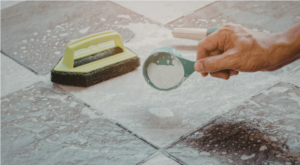
- Scrub with a brush or pad.
- Rinse thoroughly with warm water.
- Dry with a microfiber towel to prevent water spots.
Tip: Always test on a small hidden area first.
DIY Tile Cleaner Recipes
Here are simple homemade options:
For Ceramic or Porcelain (General Cleaning)
- 2 cups warm water
- 1 tsp dish soap
- 1/4 cup vinegar (optional)
Mix in spray bottle and apply, then wipe clean.
For Grease (Kitchen Tiles)
- 1/2 cup baking soda
- 1/2 cup warm water
Scrub paste on tiles, rinse thoroughly.
For Soap Scum (Bathroom Tiles)
- 1 part vinegar
- 1 part water
- 1 tbsp dish soap
Spray, let sit, scrub, rinse.
⚠ Avoid vinegar on natural stone tile.
Tile Cleaner for Grout Lines
Tile is easy to clean — grout is the challenge.
Best cleaners for grout:
- Alkaline degreasers (kitchens)
- Oxygen bleach (bathrooms)
- Steam cleaners (chemical-free)
- professional grout cleaners for deep stains
After cleaning, grout should be sealed to prevent moisture absorption.
When to Use Professional Tile Cleaning Products
Consider stronger cleaners if you notice:
✔ Black mold patches
✔ Orange or pink biofilm
✔ White hazy mineral buildup
✔ Rust spots
✔ Deep oil stains in kitchens
✔ Etching from acidic spills
Professional-grade cleaners are especially useful in:
- Restaurants
- Gyms
- Pools
- Hotels
- Medical facilities
Safety Tips When Using Tile Cleaner
Always:
✔ Ventilate the area
✔ Wear gloves
✔ Avoid mixing chemicals (especially bleach + ammonia)
✔ Rinse surfaces thoroughly
✔ Keep products away from children and pets
Avoid using acidic cleaners on:
- Marble
- Travertine
- Limestone
- Onyx
- Other calcium-based stone
These surfaces require pH-neutral products only.
How to Choose the Right Tile Cleaner
Before purchasing, consider:
✔ Tile material
✔ Surface location (kitchen vs bathroom)
✔ Contamination type (mold, grease, minerals)
✔ Chemical sensitivity (kids, pets, allergies)
✔ Whether you need stone-safe formulas
If unsure, choose neutral pH — it’s the safest universal option.
FAQs About Tile Cleaner
Q1: Can vinegar be used as a tile cleaner?
Yes, but not on stone. Vinegar safely cleans porcelain and ceramic, but it etches marble and travertine.
Q2: What’s the best cleaner for shower tile?
Use acidic or specialized bathroom cleaners to remove soap scum and hard water buildup.
Q3: Is bleach good for tile?
Bleach kills mold but doesn’t remove soap scum or mineral deposits. Use with caution and good ventilation.
Q4: Can I use the same cleaner for tile and grout?
Not always — grout often requires stronger penetrating cleaners.
Q5: What’s the safest option for natural stone?
Use a neutral pH stone cleaner only.
Q6: How often should tiles be cleaned?
Weekly for surface cleaning; deep cleaning every 3–6 months depending on usage.