

Cleaning Services Upholstery, Ultimate Guide + Expert Tips for Spotless Furniture
Upholstered furniture is one of the most used and most neglected parts of our homes and businesses. Sofas, chairs, loveseats, recliners, dining seats, and office furniture accumulate dirt, oils, pet hair, allergens, and odors over time. Cleaning Services Upholstery refers to professional deep-cleaning processes designed to restore these pieces, improve indoor air quality, and extend furniture life.
Whether you’re a homeowner, business owner, or facility manager, understanding how upholstery cleaning works – and when to schedule it – can make a significant difference in comfort, health, and décor longevity.
What Are Cleaning Services for Upholstery?
Definition & Scope
Cleaning Services Upholstery are professional treatments performed by trained technicians using specialized equipment and industry-grade cleaning solutions. These services go beyond surface vacuuming – they extract deep-seated soil, neutralize odors, lift stains, and sanitize fabric and leather surfaces safely.
A typical service may include:
- Fabric analysis
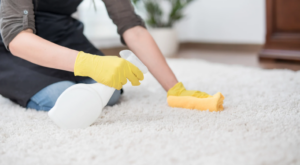
- Pre-treatment of stains
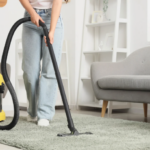
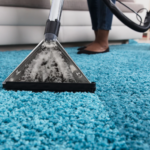
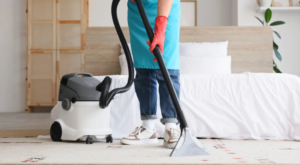
- Hot water extraction or steam cleaning
- Drying and deodorizing
- Optional protection coatings
Why Upholstery Gets Dirty
Upholstery collects soil for several reasons:
✔ Body oils and sweat
✔ Food and beverage spills
✔ Pet dander and hair
✔ Dust and airborne particles
✔ Environmental pollutants
✔ Mold and mildew (in humid environments)
Without proper cleaning, these elements build up and impact both appearance and hygiene.
Benefits of Professional Upholstery Cleaning Services
Improved Health & Air Quality
Upholstered furniture traps allergens like dust mites and pollen deep within fibers. Professional cleaning removes these microscopic particles, helping reduce allergy symptoms and improving indoor air quality.
Enhanced Appearance
Even newer furniture can look dull if dirt embeds into the fabric. Deep cleaning restores color vibrancy and fabric texture.
Prolonged Furniture Life
Dirt and oils break down upholstery fibers over time. Removing them regularly protects fabric integrity and extends lifespan.
Types of Cleaning Services Upholstery Methods
Different upholstery materials require different approaches.
Hot Water Extraction
Also called steam cleaning – hot water mixed with cleaning solution is injected into fibers and extracted along with dirt.
Best for: Most synthetic and durable fabrics.
Steam Cleaning
Uses hot steam vapor to sanitize and loosen soil without heavy saturation.
Best for: Light to moderate soiling, delicate fabrics.
Dry Foam & Low-Moisture
A foaming cleaner lifts soil while using minimal water – reducing dry time.
Best for: Natural fibers and fabrics that can shrink or warp.
Solvent & Chemical Cleaning
Solvent-based cleaners dissolve oils and stains without water.
Best for: Silk, delicate blends, and fabrics marked “S” (solvent only).
Upholstery Fabrics & Cleaning Considerations
Natural Fibers
Includes cotton, linen, and wool – absorb spills faster and may require gentle, low-moisture treatments.
Synthetic Fabrics
Polyester, acrylic, and microfiber are generally more durable and compatible with steam/hot water methods.
Leather Upholstery
Requires leather-specific cleaners and conditioners to prevent drying and cracking.
Typical Steps in a Professional Upholstery Cleaning Service
- Inspection & Fabric Code Check – Determines cleaning method.
- Pre-Vacuuming – Removes loose soil.
- Pre-Treatment of Stains – Specialized solutions target stubborn spots.
- Deep Cleaning – Hot water extraction, steam, or dry foam.
- Rinse & Extraction – Removes residual chemistry.
- Drying – Airflow, fans, or low-moisture techniques.
- Final Inspection & Grooming – Ensures fabric texture looks natural.
How Often Should Upholstery Be Cleaned?
Recommended frequency:
- Homes with pets & kids: every 6–12 months
- Homes without heavy use: every 12–18 months
- Commercial environments: monthly to quarterly depending on traffic
Deep cleaning should complement regular vacuuming, not replace it.
DIY Upholstery Cleaning vs Professional Service
DIY Cleaning
Pros:
- Lower cost
- Immediate touch-ups
- Good for fresh spills
Cons:
- Surface-level cleaning only
- Risk of fabric damage
- May leave residue
Professional Service
Pros:
- Deep extraction of allergens & dirt
- Proper stain treatment
- Faster drying with commercial tools
Cons:
- Higher cost
- Scheduling required
How to Choose the Right Cleaning Services Upholstery Provider
Certifications & Experience
Look for professionals trained through reputable bodies like IICRC (Institute of Inspection Cleaning and Restoration Certification).
Eco-Friendly Products
If you have children or pets, ask whether they use non-toxic, low-VOC products.
Warranty & Satisfaction Guarantee
Reputable companies often guarantee results or revisit if needed.
Common Mistakes to Avoid
❌ Using household cleaners on delicate upholstery
❌ Over-saturating fabric with water
❌ Ignoring cleaning codes
❌ Waiting too long to address stains
❌ Hiring companies without insurance or references
FAQs – Cleaning Services Upholstery
What does upholstery cleaning typically include?
Inspection, pre-treatment, deep cleaning, rinsing, drying, and final review.
How long does upholstery cleaning take?
Most sofas take 45-90 minutes; smaller chairs often less.
Can professional cleaning remove all stains?
New and fresh stains respond best; older set-in stains may lighten but not fully disappear.
Is professional upholstery cleaning safe for pets and kids?
Many services offer eco-friendly and hypoallergenic products.
How long until furniture is dry after cleaning?
Dry time varies – typically 2-6 hours with proper ventilation.
Does professional cleaning reduce allergens?
Yes – deep extraction removes dust mites and particulate allergens.